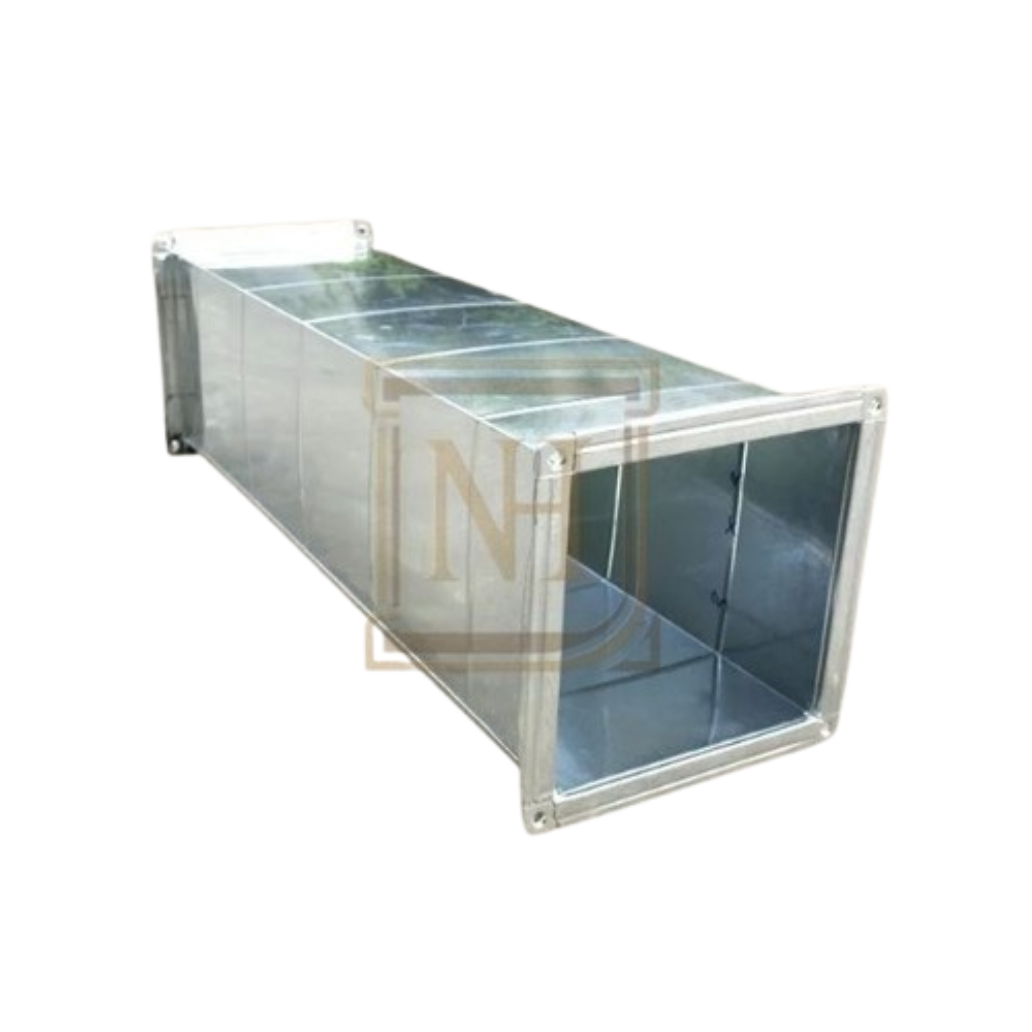
Air Duct Knowledge
How to choose sheet metal thickness for air ducts
Sheet metal thickness affects duct rigidity, stability and installation quality in each project.
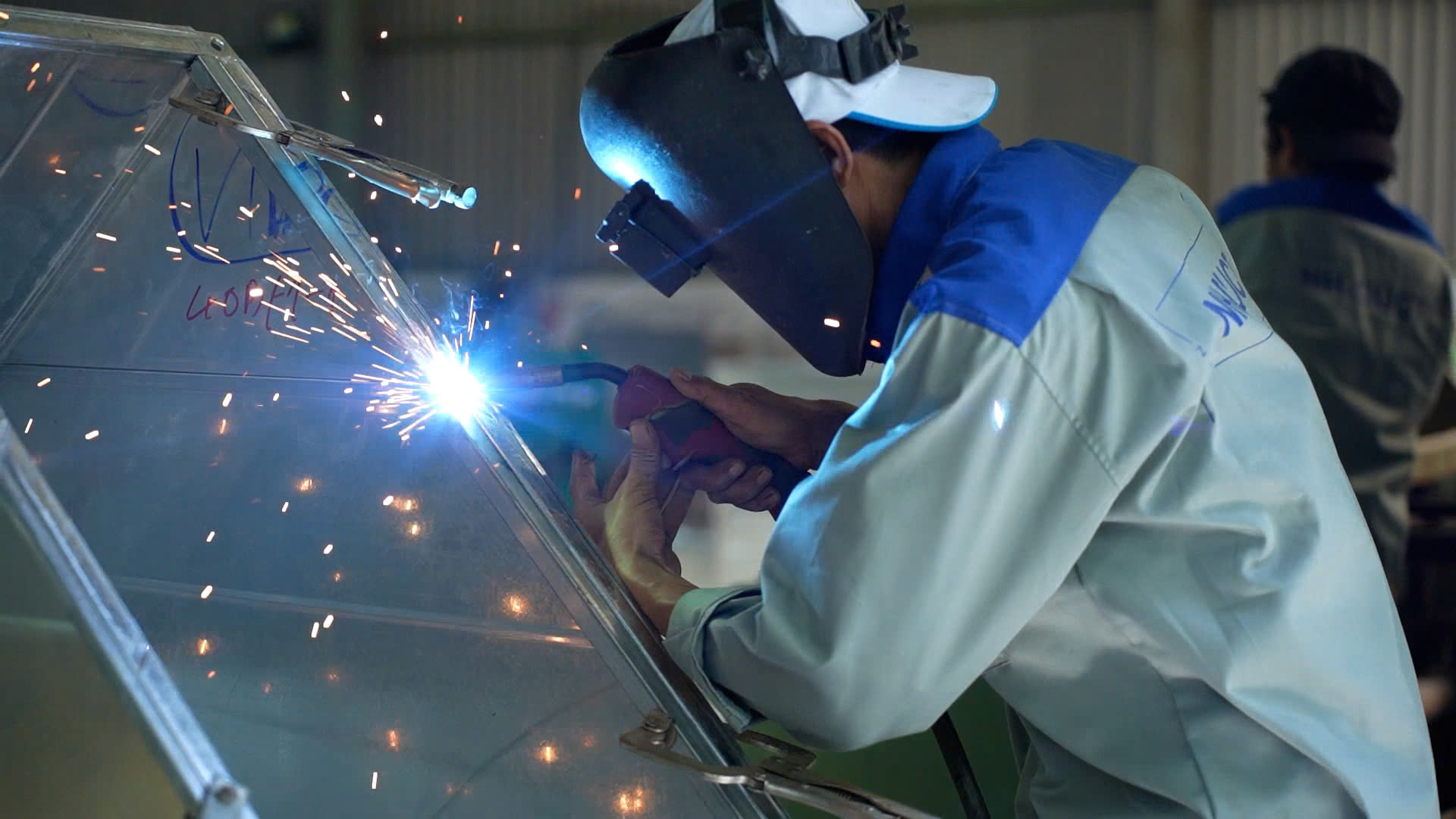
Why is sheet metal thickness important?
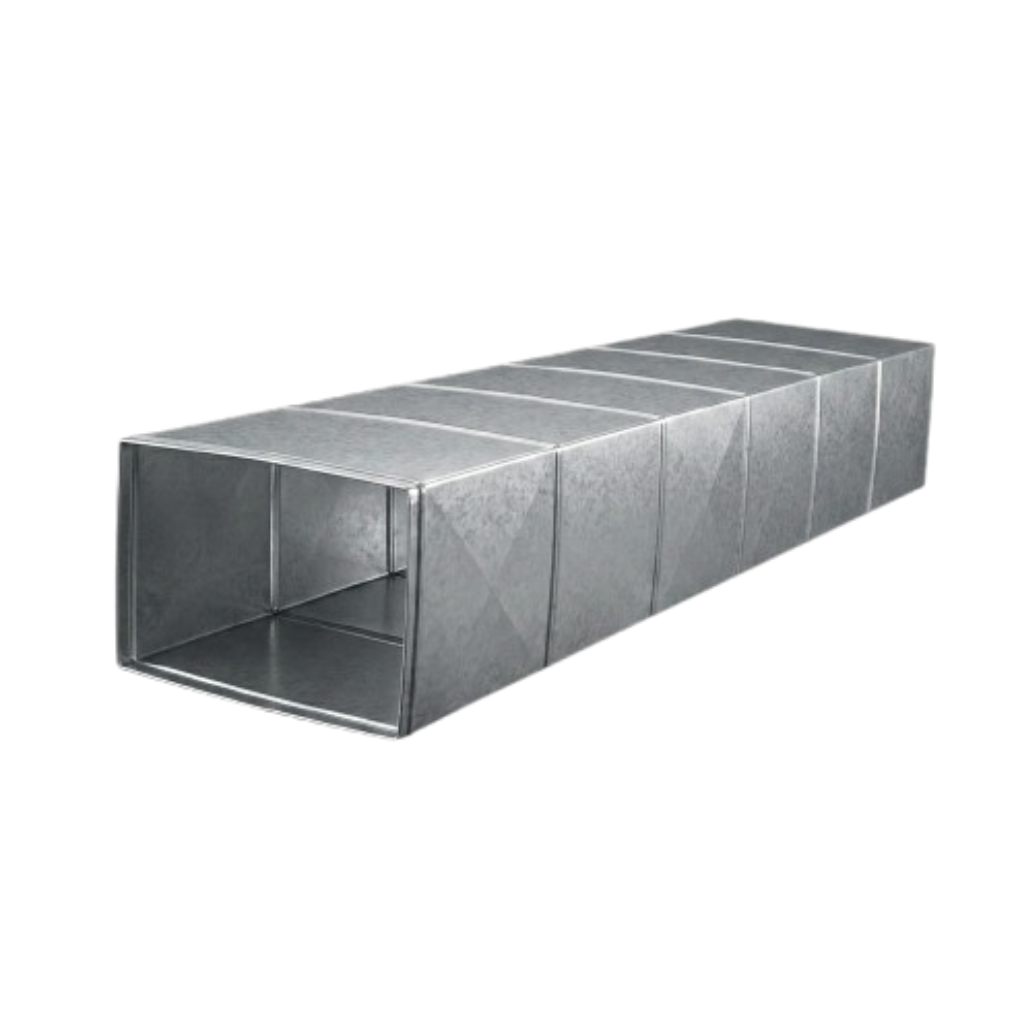
Sheet metal thickness is one of the important factors in air duct manufacturing. If the material is too thin, the duct may lack rigidity and can deform during transportation or installation. If the material is too thick, material cost and system weight may increase unnecessarily.
Therefore, sheet metal thickness should be selected based on design, duct size, system pressure and actual installation requirements.
Factors affecting sheet metal thickness
Duct size is the first factor to consider. Larger duct sections usually require higher rigidity to reduce deformation.
System working pressure also affects material selection. High-pressure systems or long duct routes may require more careful calculation.
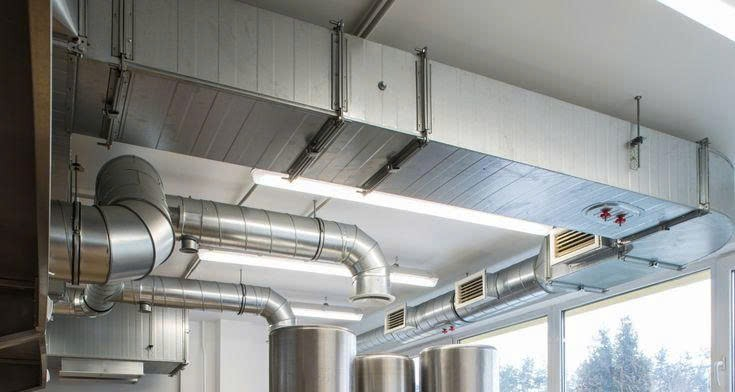
Installation location is another important factor. Ducts installed in technical areas, basements, factories or hard-to-maintain locations may require different specifications from standard areas.
Fire resistance requirements, corrosion resistance and environmental conditions can also influence material and thickness selection.
Avoid selecting by habit only
In practice, sheet metal thickness should not be selected only based on habit or general experience. Each project has its own requirements, so the selection should follow drawings, applicable standards and technical specifications.
Incorrect thickness selection may lead to higher cost, installation difficulties, vibration, noise or reduced system stability.
Role of the manufacturer
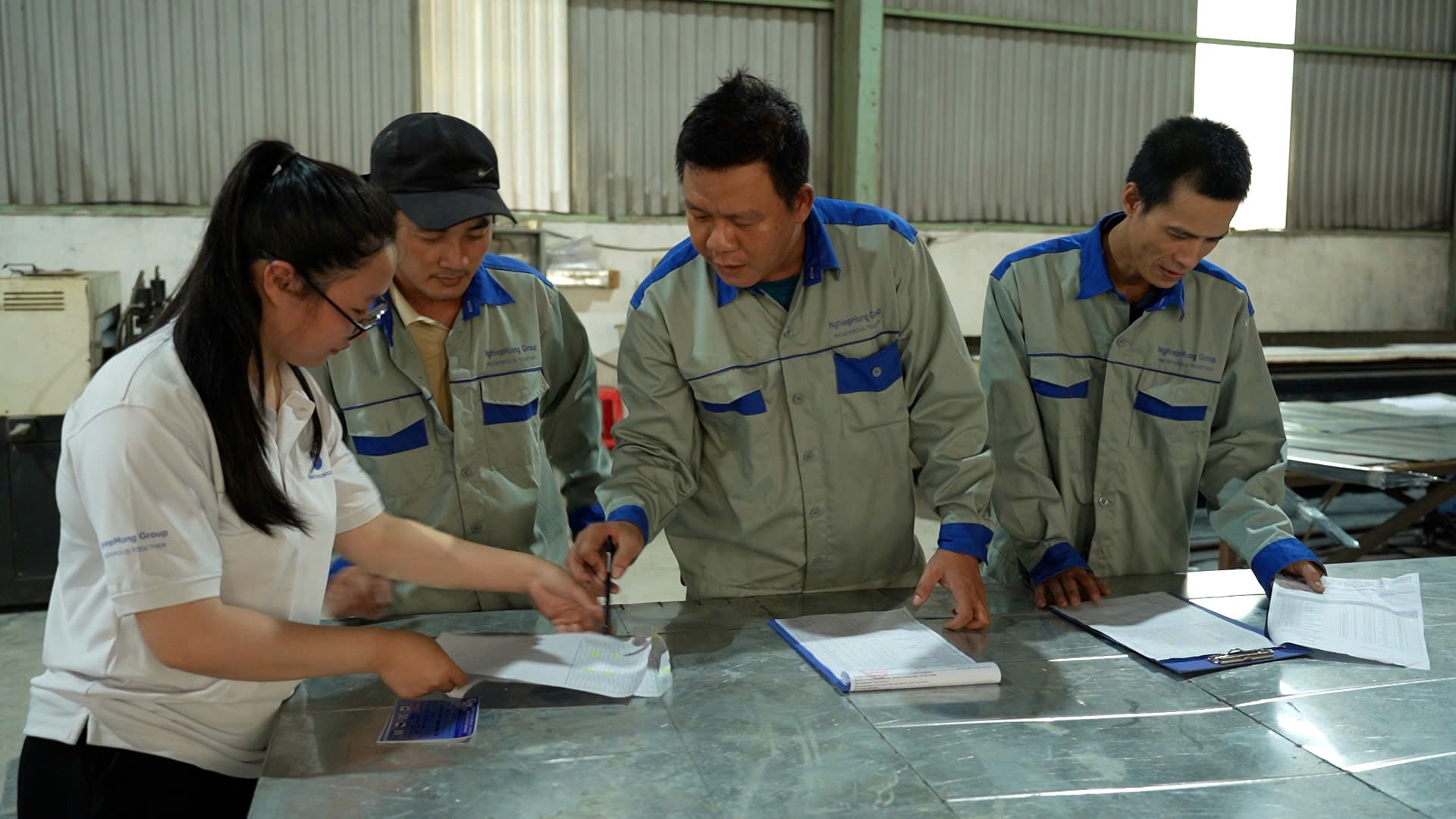
The manufacturer should review input information, check drawings carefully and coordinate with the technical team to ensure that products are fabricated according to requirements.
If any drawing or specification is unclear, it should be clarified before production to reduce errors and on-site issues.
Conclusion
Choosing sheet metal thickness for air ducts requires technical consideration. A suitable selection helps improve system stability, installation efficiency and project cost optimization.
Gallery
Article gallery
2 images